Structured Data Extraction · SED

Governed structured data extraction

Extract repeatable, schema-validated data from PDFs and other unstructured sources, with agent- and human-in-the-loop workflows, approvals and audit-grade governance. SED is a standalone product, and the same capability powers the SPICE platform.
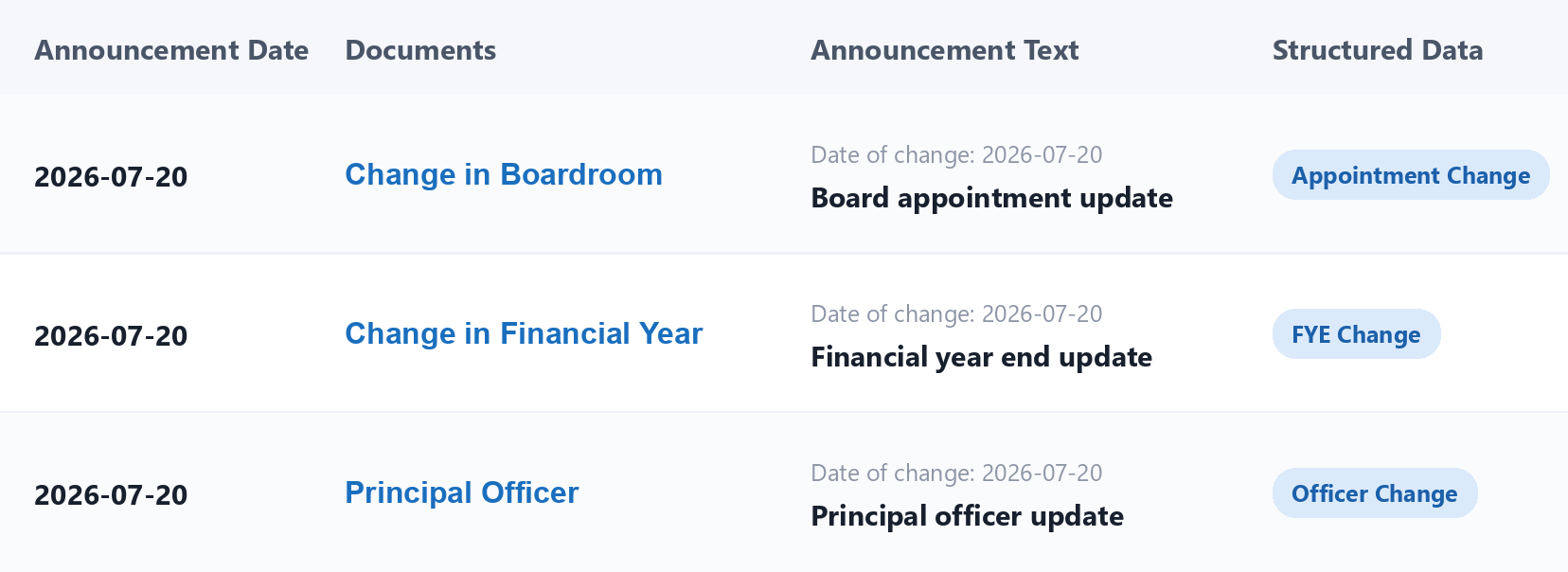
SPICE · Structured Data
Structured Data Extraction turning documents into structured fields
Top differentiators

Governed, accurate, autonomous

Governance

Sign-off workflows, role-based reviews and full audit trails ensure only approved data is released.

Accuracy

Agent-driven extraction, backed by OCR, validation rules and feedback loops, drives continuous improvement.

Autonomy

Configurable agents can perform the review step under confidence thresholds, with human override and final sign-off.

How it works

Ingest, extract, review, release

01

Ingest everywhere

Receive files via SFTP, cloud storage, UI or API, validated and normalised automatically.

02

Extract & structure

Agents leverage OCR to extract content and map it to your schema.

03

Review & release

Validate, approve and publish with a complete audit trail.

SPICE · SED
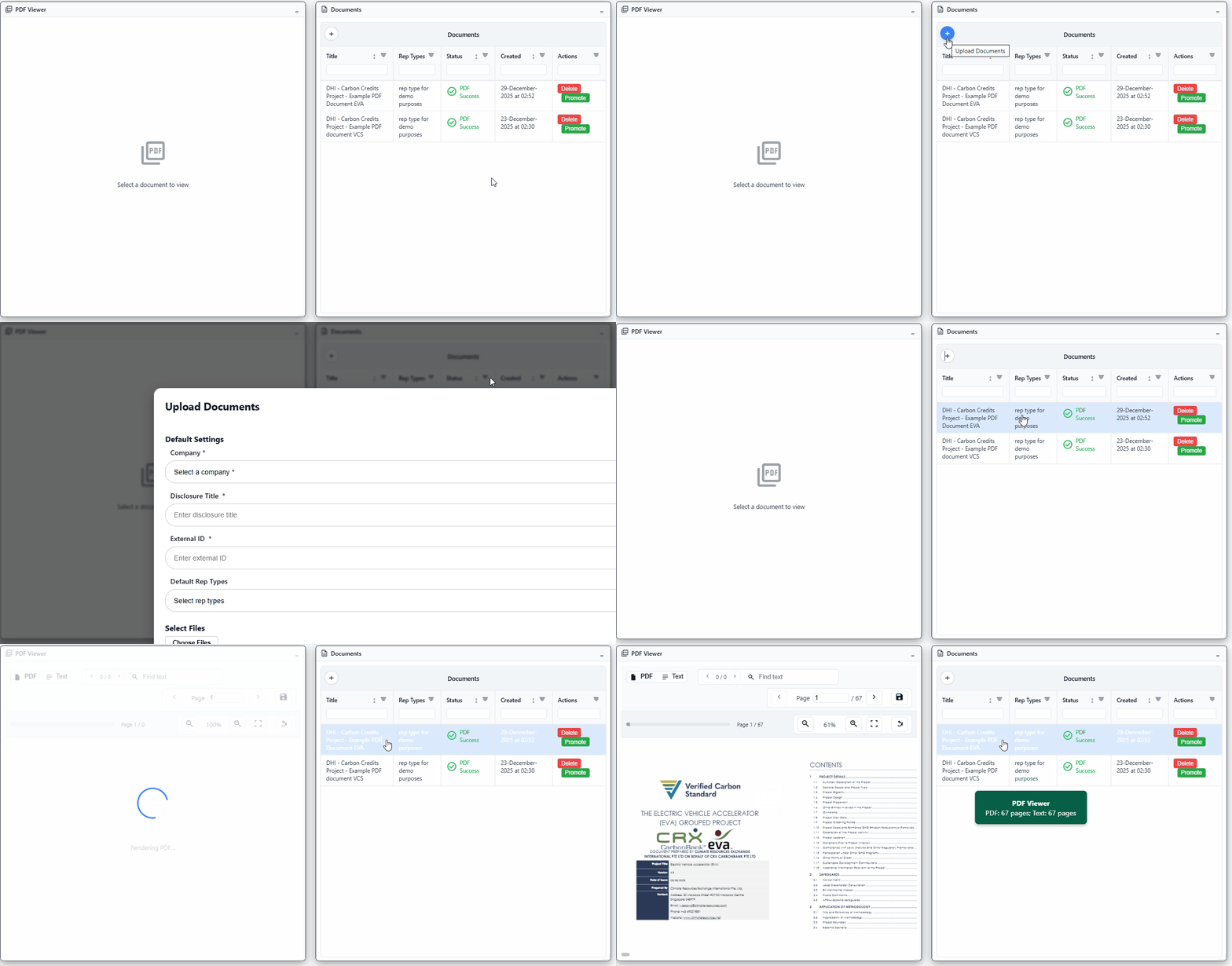
Walkthrough of the SED workspace: work basket, PDF viewer and structured JSON output
Key functionality

Everything you need to industrialise extraction

Multi-channel ingestion

SFTP, cloud object storage (S3/Blob/GCS), UI upload and REST endpoints simplify integration.

Agents + OCR + text

Agents leverage OCR to extract content and map it to your schema, including scanned or image-only PDFs.

Table extraction

Robust parsing targets complex tables with cell-level fidelity, minimising manual cleanup.

Schema mapping & versioning

Map extracted fields to consistent, versioned schemas for analytics and APIs.

Validation rules

Configurable checks catch anomalies and route exceptions for review.

Security & IAM

SSO (SAML/OIDC), RBAC, MFA, encryption in transit and at rest, and detailed audit logs.

Typical use cases

Where teams put SED to work

Financial & market disclosures

Extract structured data from announcements, filings and reports.

Regulatory & supervisory reporting

Standardise submissions and evidence at scale.

Market compliance & transparency

Turn disclosure documents into monitored, queryable data.

ESG, sustainability & impact

Capture disclosures into consistent, versioned schemas.

Announcements & corporate actions

Process high volumes of announcements automatically.

Large-scale standardised reporting

Industrialise repeatable extraction across document sets.

FAQ

Frequently asked questions

What is Structured Data Extraction?

Structured Data Extraction turns unstructured documents into clean, repeatable datasets. Agents do the heavy lifting and call OCR only when it is needed. You define the schema and rules, and data is mapped to it reliably, with every action governed by approvals and a full audit trail.

How do agents and OCR work together?

Agents orchestrate the process and decide when to use OCR, table detection and other models. Results are validated and mapped to your schema automatically. When confidence is low, exceptions are raised for review, and humans can always override and provide final sign-off.

What file types are supported?

PDFs, Word, Markdown and common images (JPEG, PNG, GIF, BMP, TIFF, ICO). Images and Word files are converted to PDF for consistent processing, and mixed batches are handled together.

How do we ingest documents?

Use SFTP, S3/Blob/GCS, UI upload or REST API. Files are validated, de-duplicated and virus-scanned automatically, and you can configure watch folders, batching and retention rules.

What is the review and approval process?

It is hybrid by design. Confidence thresholds route uncertain items to a review queue where reviewers approve or correct them, and every change is logged with approver, time and reason code for full accountability.

How accurate is table extraction?

SED is optimised for complex, real-world tables using structure-aware parsing and validations, with OCR when needed. Routine layouts achieve strong accuracy and tricky edge cases go to review, while feedback and rules improve results over time.

Get started

See SED on your documents

We'll show you how it works.